When you embellish interior spaces with houseplants, you’re not just adding greenery. These living organisms interact with your body, mind and home in ways that enhance the quality of life.
Breathing Easier
When you breathe, your body takes in oxygen and releases carbon dioxide. During photosynthesis, plants absorb carbon dioxide and release oxygen. This opposite pattern of gas use makes plants and people natural partners. Adding plants to interior spaces can increase oxygen levels.
At night, photosynthesis ceases, and plants typically respire like humans, absorbing oxygen and releasing carbon dioxide. A few plants – orchids, succulents and epiphytic bromeliads – do just the opposite, taking in carbon dioxide and releasing oxygen. Place these plants in bedrooms to refresh air during the night.
Releasing Water
As part of the photosynthetic and respiratory processes, plants release moisture vapor, which increases humidity of the air around them. Plants release roughly 97 percent of the water they take in. Place several plants together, and you can increase the humidity of a room, which helps keeps respiratory distresses at bay. Studies at the Agricultural University of Norway document that using plants in interior spaces decreases the incidence of dry skin, colds, sore throats and dry coughs.
Purifying Air
Plants remove toxins from air – up to 87 percent of volatile organic compounds (VOCs) every 24 hours, according to NASA research. VOCs include substances like formaldehyde (present in rugs, vinyl, cigarette smoke and grocery bags), benzene and trichloroethylene (both found in man-made fibers, inks, solvents and paint). Benzene is commonly found in high concentrations in study settings, where books and printed papers abound.
Modern climate-controlled, air-tight buildings trap VOCs inside. The NASA research discovered that plants purify that trapped air by pulling contaminants into soil, where root zone microorganisms convert VOCs into food for the plant.
Where should you put the houseplants
Plants can look nice almost anywhere and you should put them anywhere, but there is an area called your personal living area. This is an area where you spend most of your time, sitting at the computer, sleeping or on the couch or chair reading or watching TV. Your personal breathing zone is an area of 6 to 8 cubic feet (0.17 to 0.23 cu. m.). Put at least a couple of plants in this zone.
TIPS FOR
CARING FOR YOUR HOUSEPLANTS
Remember 3 most important things for a plant
LIGHT FOOD WATER
You need to give your plant plenty of
natural light, clean fresh water and the correct plant food for its species
- Rotate the plant every once in a while so that all parts of the plant get some light. If the light in the window is very intense (put your hand in the window; if your hand gets really hot quickly there in the summer, it's probably too hot for most plants too; ditto the winter and cold) find a spot for the plant about twelve inches away from the window if it's too hot or cold in the window. It's ok to pull the curtains at night to keep your rooms warm; just remember to open them in the morning so your plants get their several daily hours of light!
- Once you have success with some easy plants, try some harder ones: African violets or orchids, for example. They are very rewarding to grow and there are many special interest groups, both online and sometimes in your town, who will be happy to help you learn to grow them well and enjoy propagating them.
- Check the soil before you water the plant. Most plants die from over-watering rather than under-watering.Too much love can kill your plants, so stick your finger in the dirt before you water to see if its already moist.

PLANTS FOR
OFFICE AND WORKPLACE
NASA research found that about a dozen common indoor plants, and a few exotic varieties, can remove noxious gases effectively. Many of these gases are to be found in modern offices - toxic fumes from carpets, furniture, office cleaning products, printers and photocopiers. These can often lead to poor concentration and increased sick leave. Is this costing you money?
|
|
TEN FABULOUS HOUSEPLANTS
THAT WORK AS LIVING AIR PURIFERS
ALOE VERA We all know that aloe vrea is present ina many skin care products. Not only does it help with skin burns but also with filtering various gas emissions from dangerously toxic materials. Clamed to possess tons of cedical properties, this incredible succulent can also be grown as an ornamantal plant.
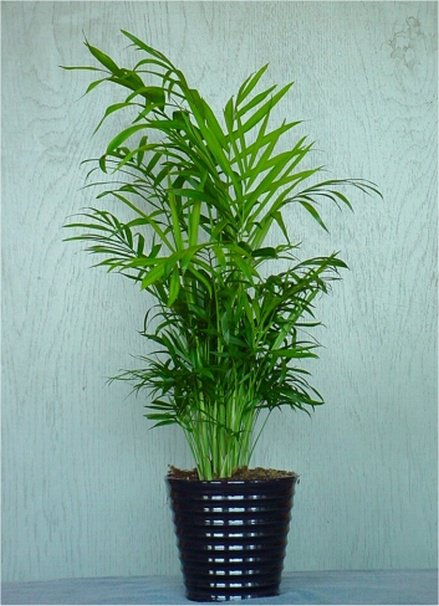 ARECA PALM This very sensitive plant with feathery fronds is bes known as a humidifier. though the palnt grows slowly and needs year- round care, it can be kept anywhere in the house, especially next to newly varnished furniture or in carpeted areas. The areca palm helps remove toxins like formaldehyde and xylene.
 AIR BOSTON FERNAn exotic plant that has gracefully arching fronds and frilly leaves, the Boston fern also acts as a natural humidifier. Boston ferns grow better in filtered sunlight and in humid conditions. By releasing moisture into the air, they remove nasty air pollutants such as benzene, formaldehyde and xylene, providing clean air inside the home.
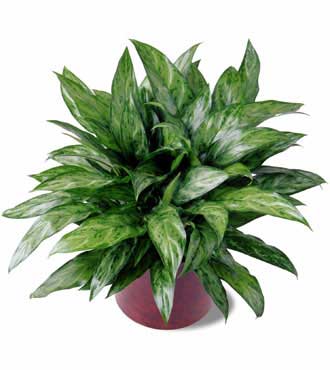 CHINESE EVERGREENAn excellent air-purifier plant, Chinese evergreen is a herbaceous perennial plant. A very common houseplant with shiny, green leaves that have interesting markings on them, it grows even better with less water and minimum light. It can also filter out airborne toxins such as benzene and formaldehyde.
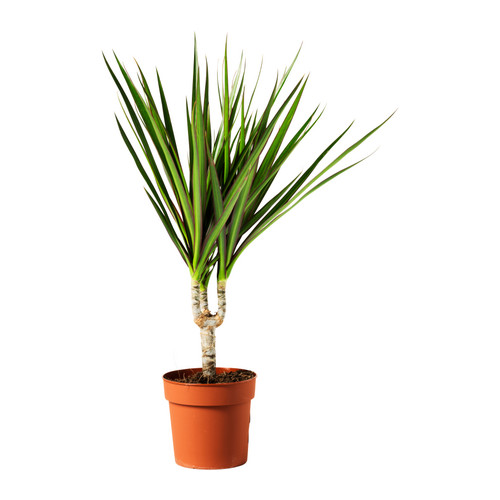 DRACEANA MARGINATA One cannot ignore the beauty of marginata, a plant that has glossy thin leaves with red edges. It is a famously slow-growing flowering houseplant with very few growing requirements. It also not only removes formaldehyde and benzene from the air, but is also capable of filtering out other toxins present. However, proper care should be taken while placing the plant inside, as it could be poisonous to dogs.
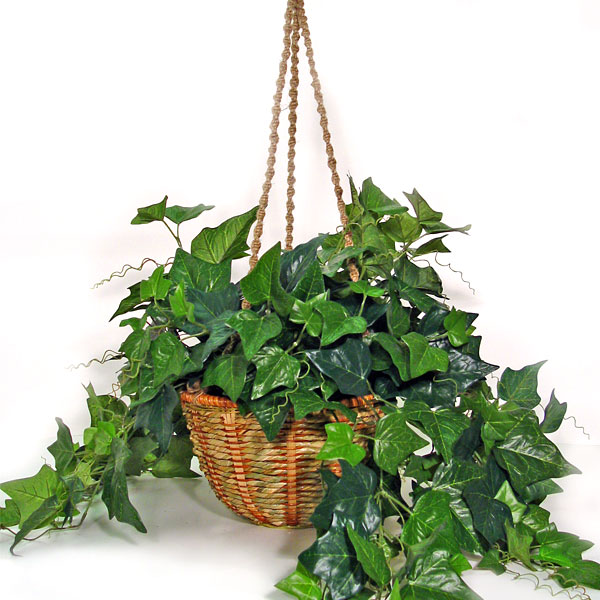 ENGLISH IVY is a very popular houseplant and is best suited for people with asthma and allergic conditions. Easy to grow in bright sunlight, this plant has the amazing ability to remove benzene and formaldehyde and to off-gas various chemicals released by synthetic materials. Thus, it keeps the inside air non-toxic. With its ground-covering quality, English ivy also often serves well in landscaping.
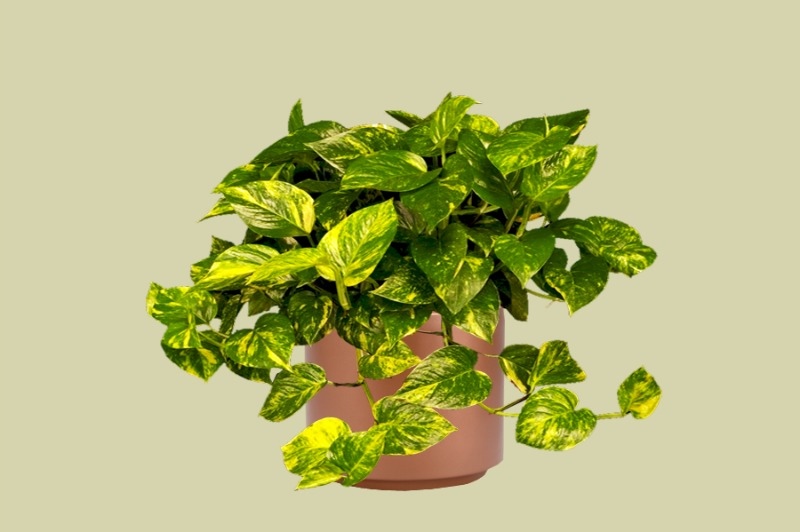 GOLDON POTHOS Also known as Devil’s ivy or silver vine, the golden pothos can be a highly invasive plant. With evergreen leaves and progressive stems, this hardy plant easily overtakes its surrounding area. Yet it is also very efficient when it comes to removing indoor pollutants such as formaldehyde, benzene and xylene.
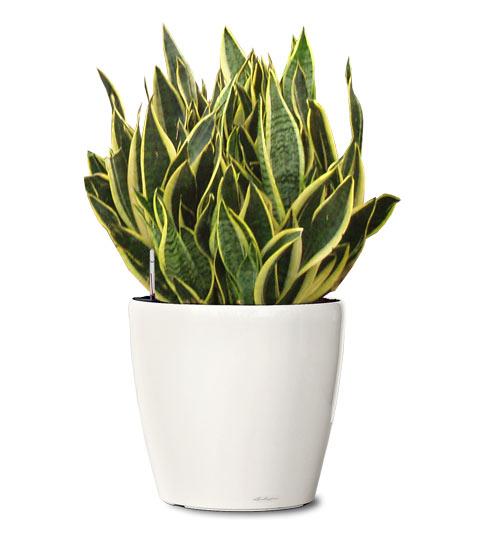
SNAKE PLANT Widely used as an ornamental plant, the snake plant is an evergreen perennial species that is tolerant of irregular watering and less lightning. Scientists at NASA have found out that this plant has the amazing ability to absorb formaldehyde, nitrogen oxides, and a variety of other chemicals present in the air.
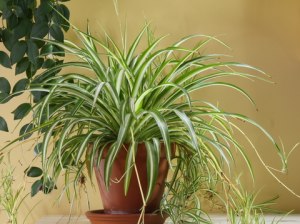 SPIDER PLANTA beautiful houseplant with long grassy leaves, the spider plant also grows rapidly. This elegant plant is great at removing poisonous gases as well as other impurities like formaldehyde and xylene. For better effect, it should be kept in the kitchen or near the fireplace, as these are the places where carbon monoxide accumulates a lot.
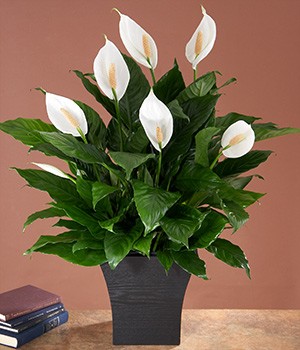 PEACE LILY is known to reduce harmful indoor toxins that may cause cancer. An easy-to-care-for houseplant, the peace lily is a great pollution fighter and air-purifier. It helps in removing benzene and formaldehyde present in the house.